






 Mikor vehetem át?

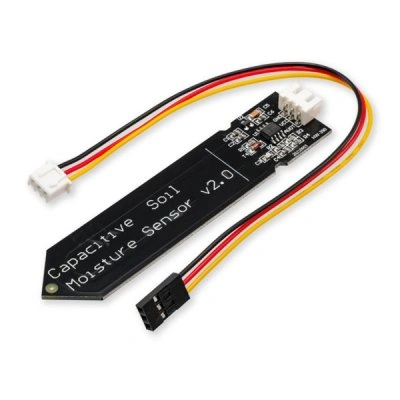
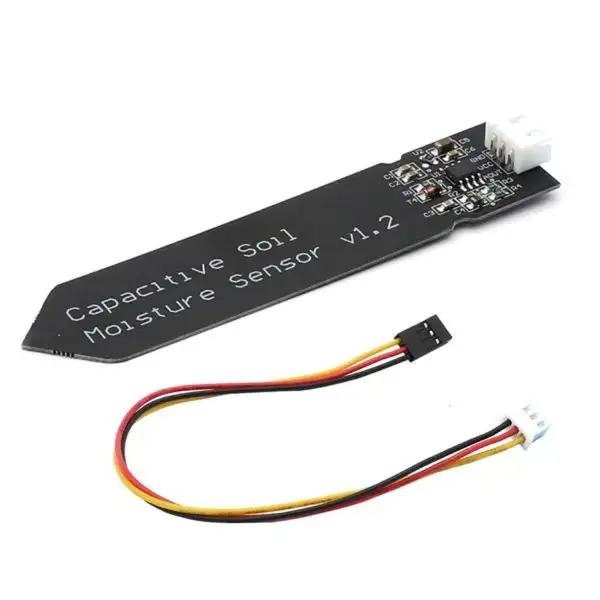
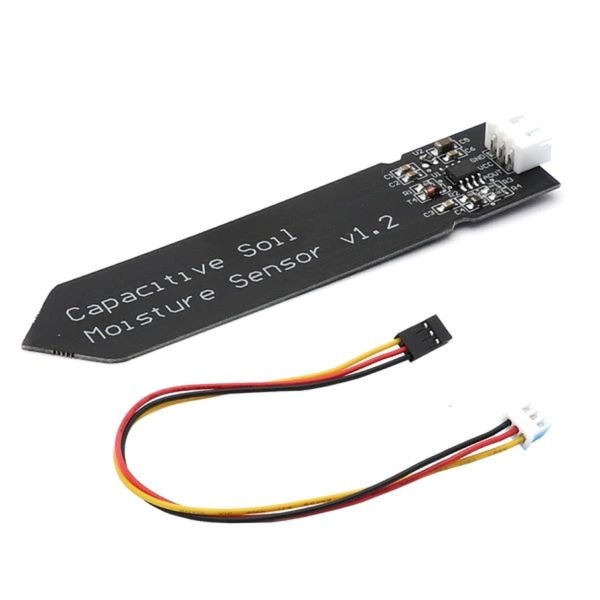
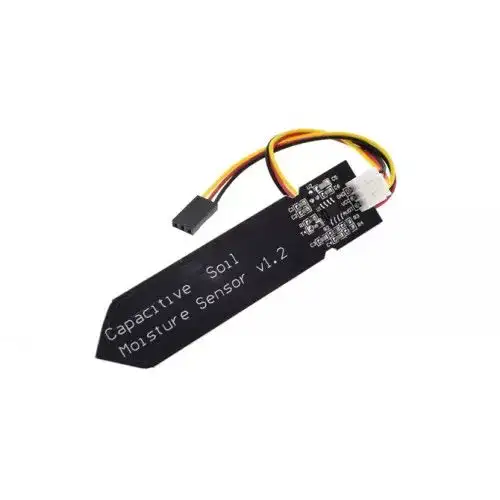
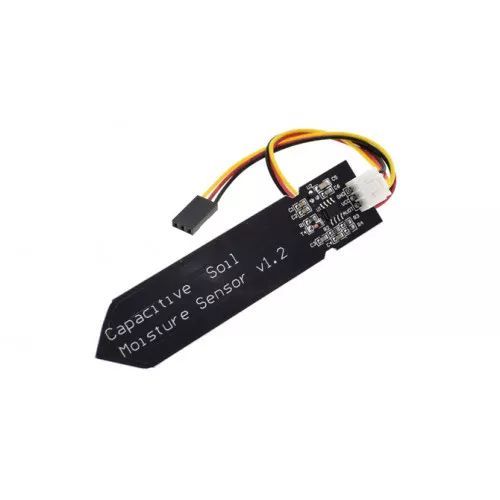
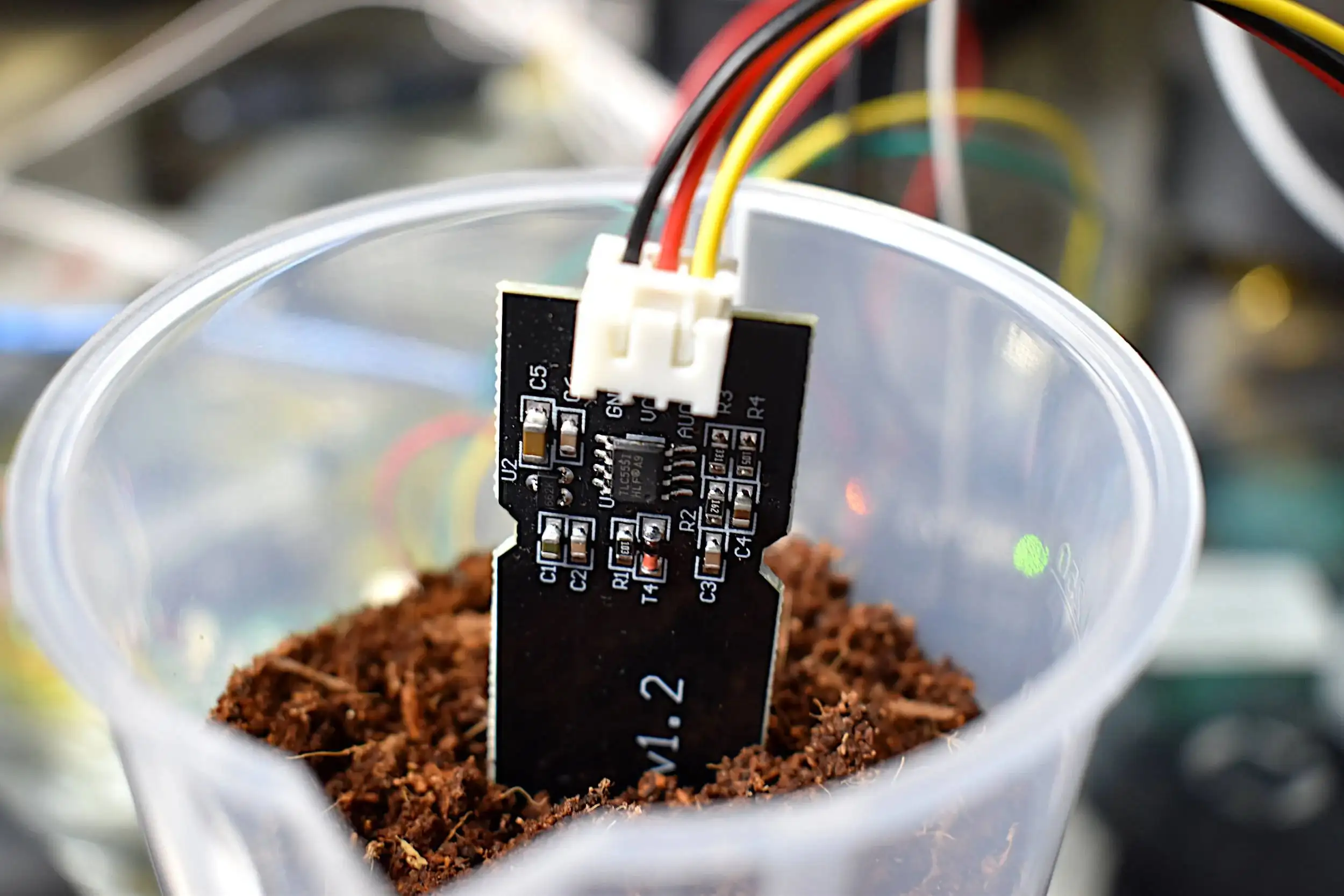
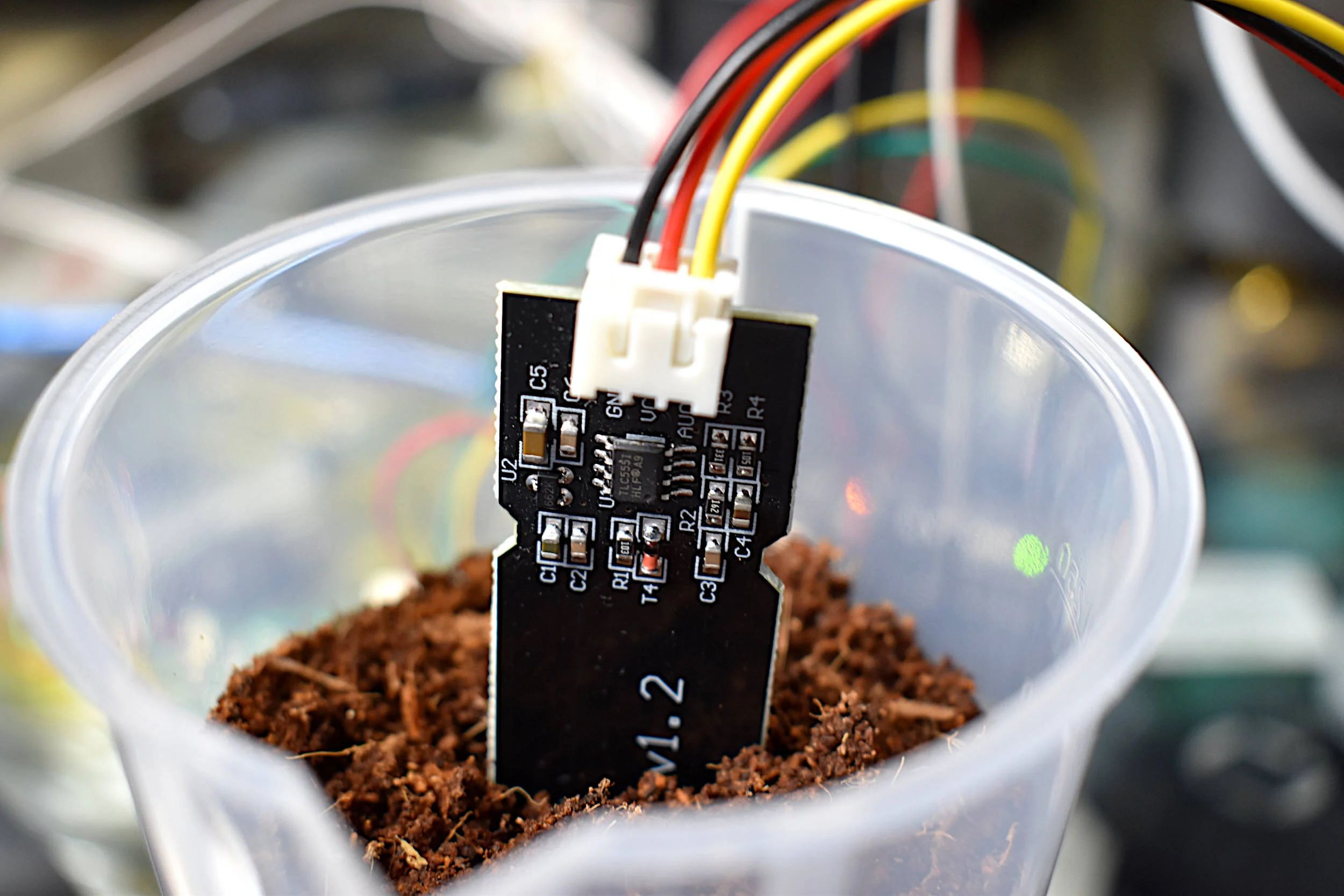
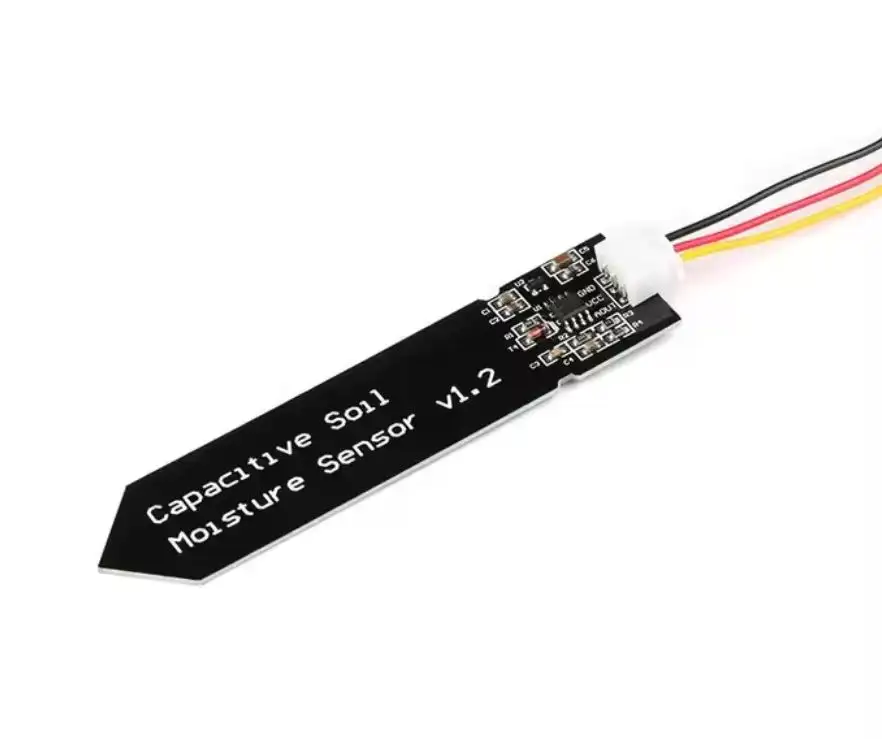
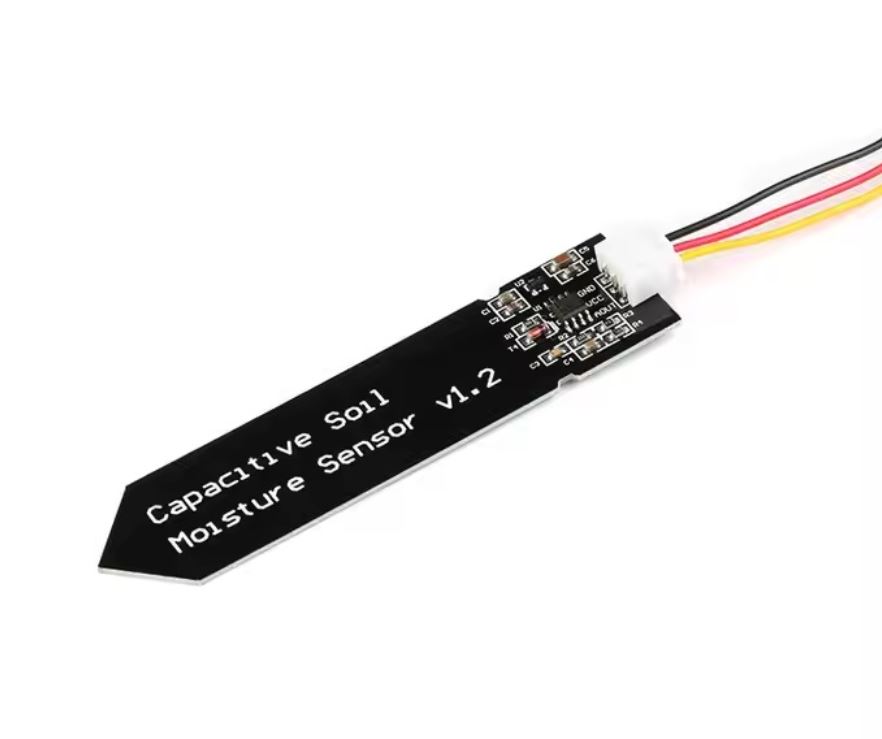
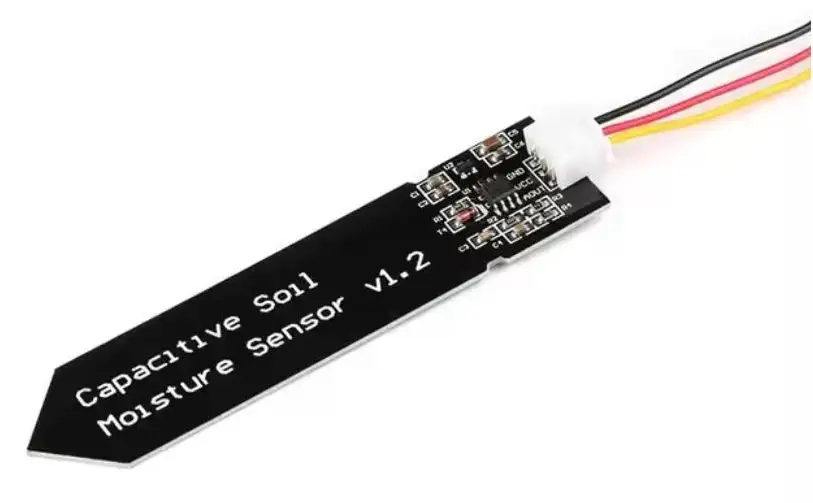
Rendkívül költségkímélő talajnedvesség szenzor.
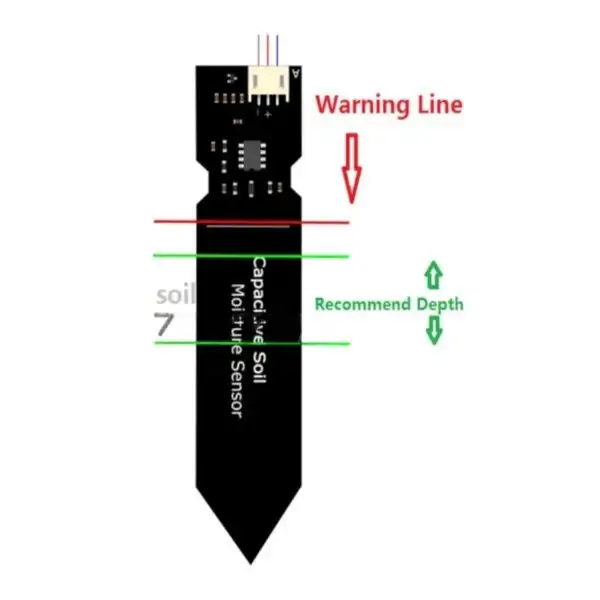
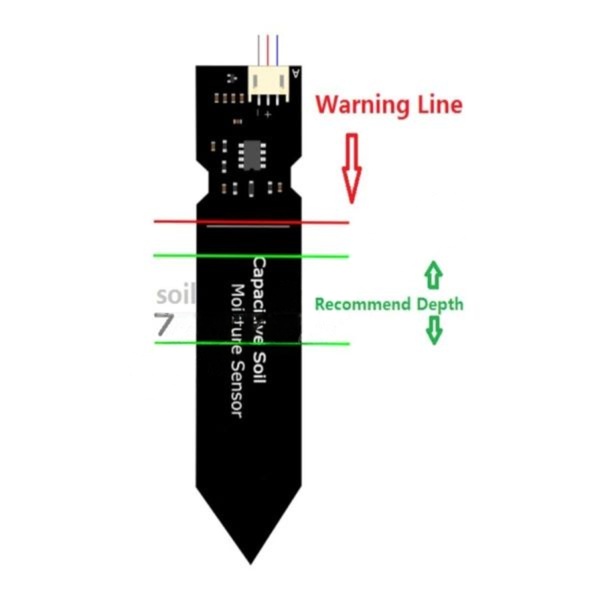
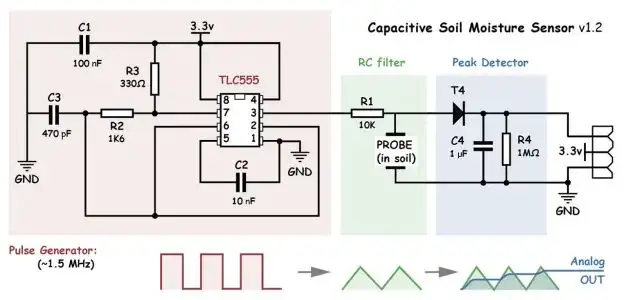
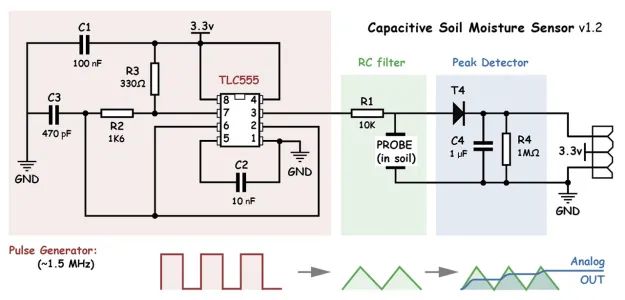
Kapacitív nedvességérzékelés, analóg kimenet.
Garden plants
Moisture detection
Intelligent agriculture
Features
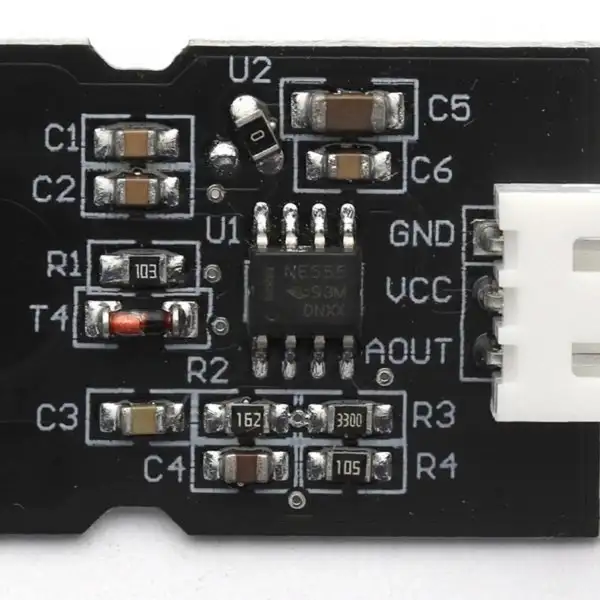
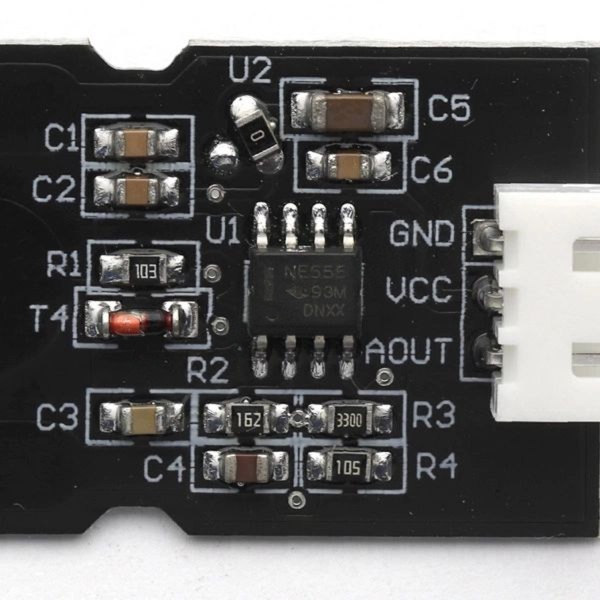
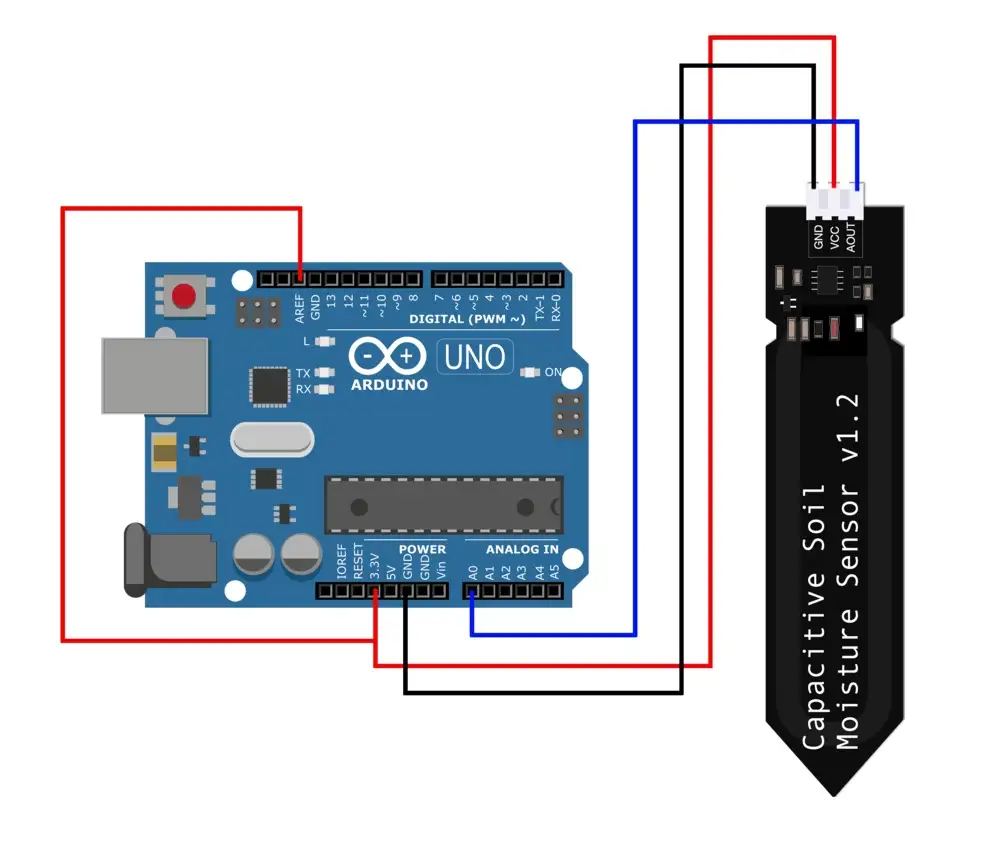
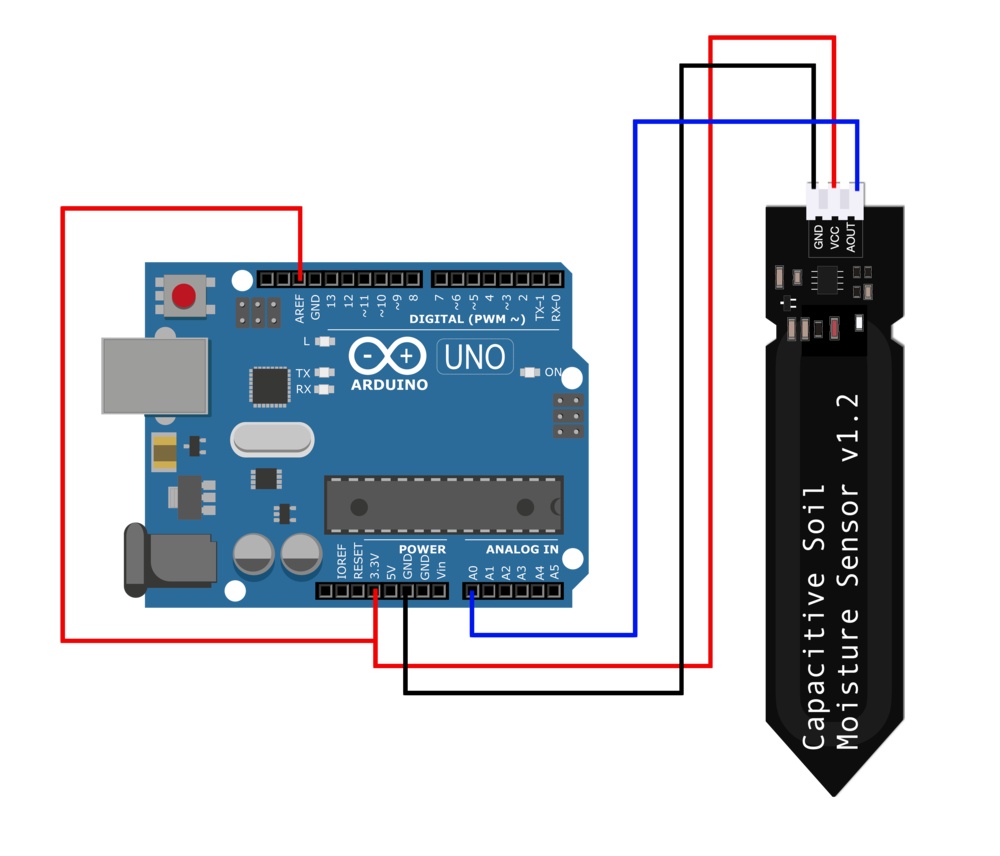
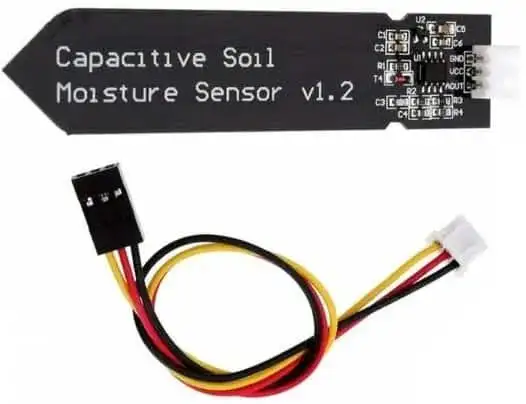
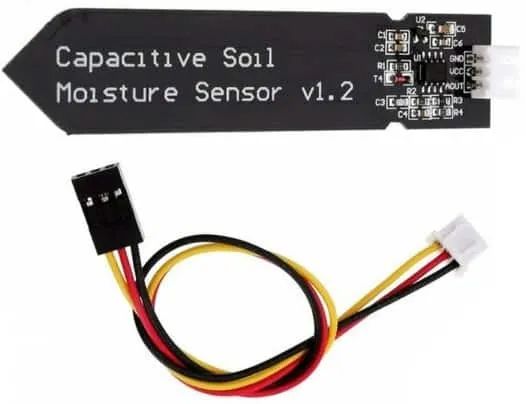
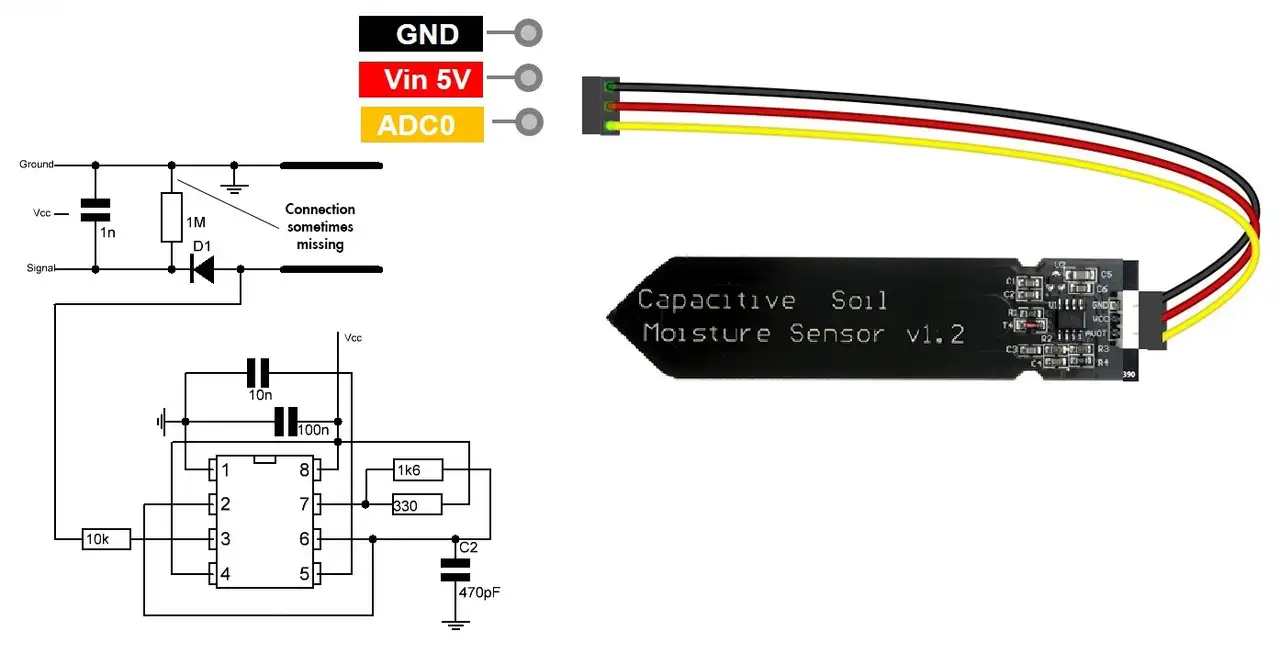
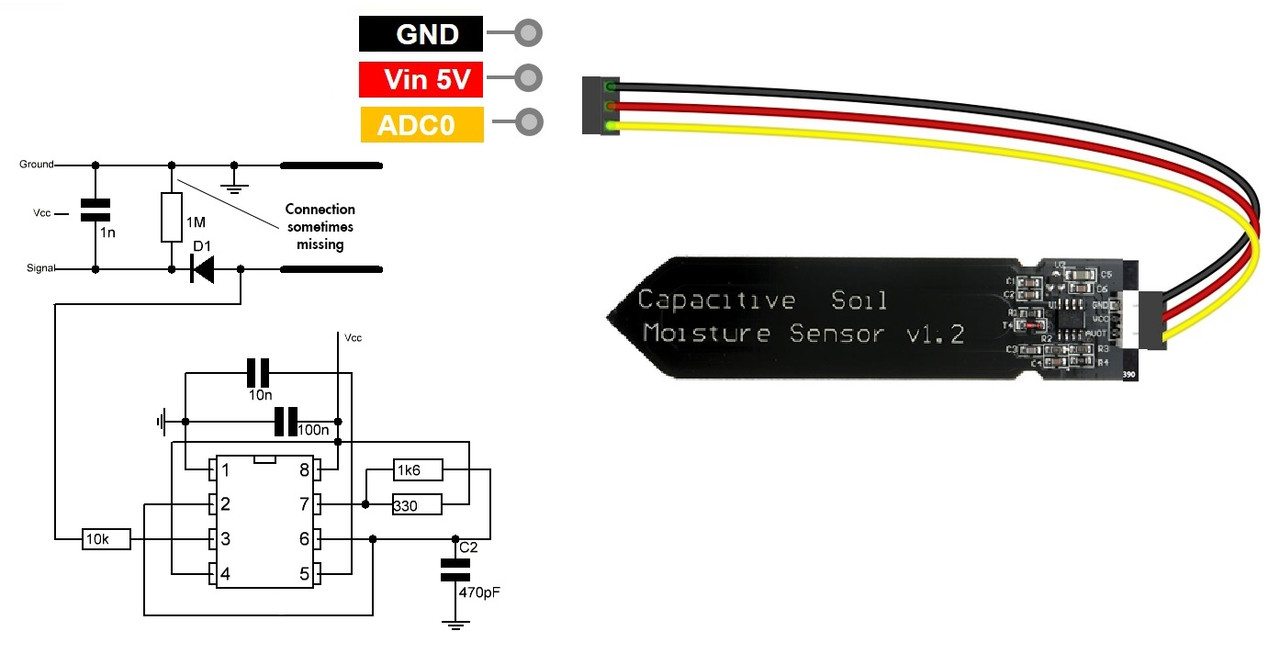
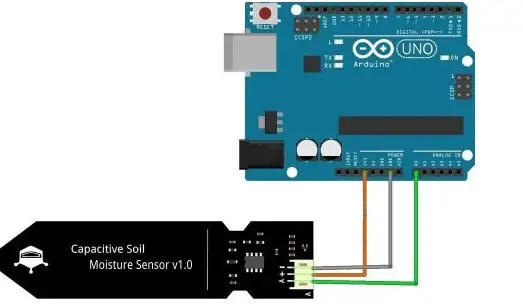
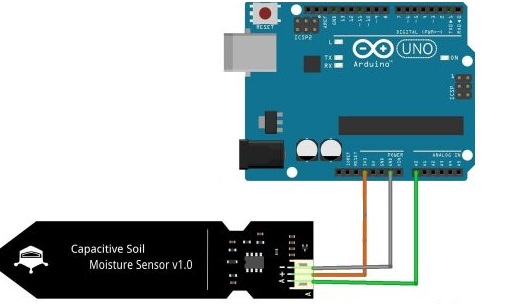
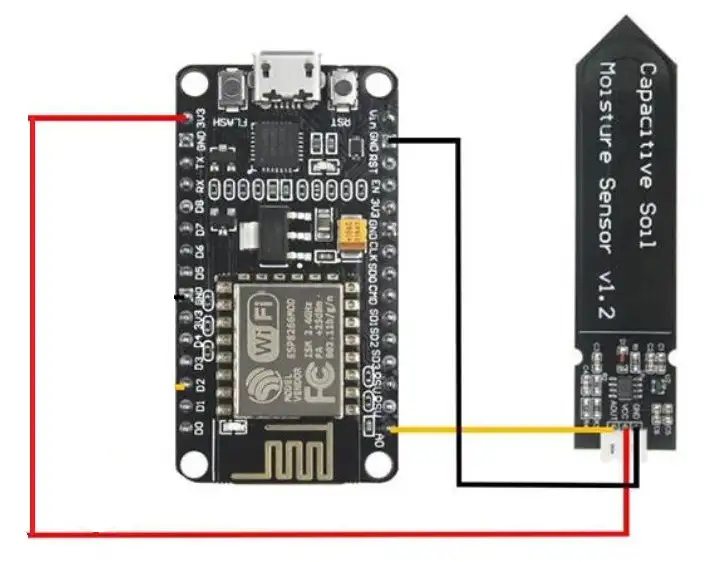
Supports Gravity 3-Pin interface
Analog output
Output Voltage: 0 ~ 3.0VDC
Operating Voltage: 3.3 ~ 5.5 VDC
Interface: PH2.0-3P
Dimension: 98mm * 23mm (3.86in x 0.905in)
Sample Code
// Simple code for Measuring Voltage from
// Capacitive soil moisture sensor
//
int soil_pin = A0; // AOUT pin on sensor

void setup() {
  Serial.begin(9600); // serial port setup
  analogReference(EXTERNAL); // set the analog reference to 3.3V
}

void loop() {
  Serial.print("Soil Moisture Sensor Voltage: ");
  Serial.print((float(analogRead(soil_pin))/1023.0)*3.3); // read sensor
  Serial.println(" V");
  delay(100); // slight delay between readings
}
Library
No external library is required to use this sensor.
Example Code
const int AirValue = 600;
const int WaterValue = 350;

int soilMoistureValue = 0;
int soilMoisturePercent = 0;

void setup() {
  Serial.begin(9600);
}

void loop() {
  soilMoistureValue = analogRead(A0);
  Serial.println(soilMoistureValue);

  soilMoisturePercent = map(soilMoistureValue, AirValue, WaterValue, 0, 100);

  if (soilMoisturePercent >= 100) {
    Serial.println("100 percent");
  } else if (soilMoisturePercent <= 0) {
    Serial.println("0 percent");
  } else {
    Serial.print(soilMoisturePercent);
    Serial.println(" percent");
  }

  delay(250);
}
Calibration Procedure
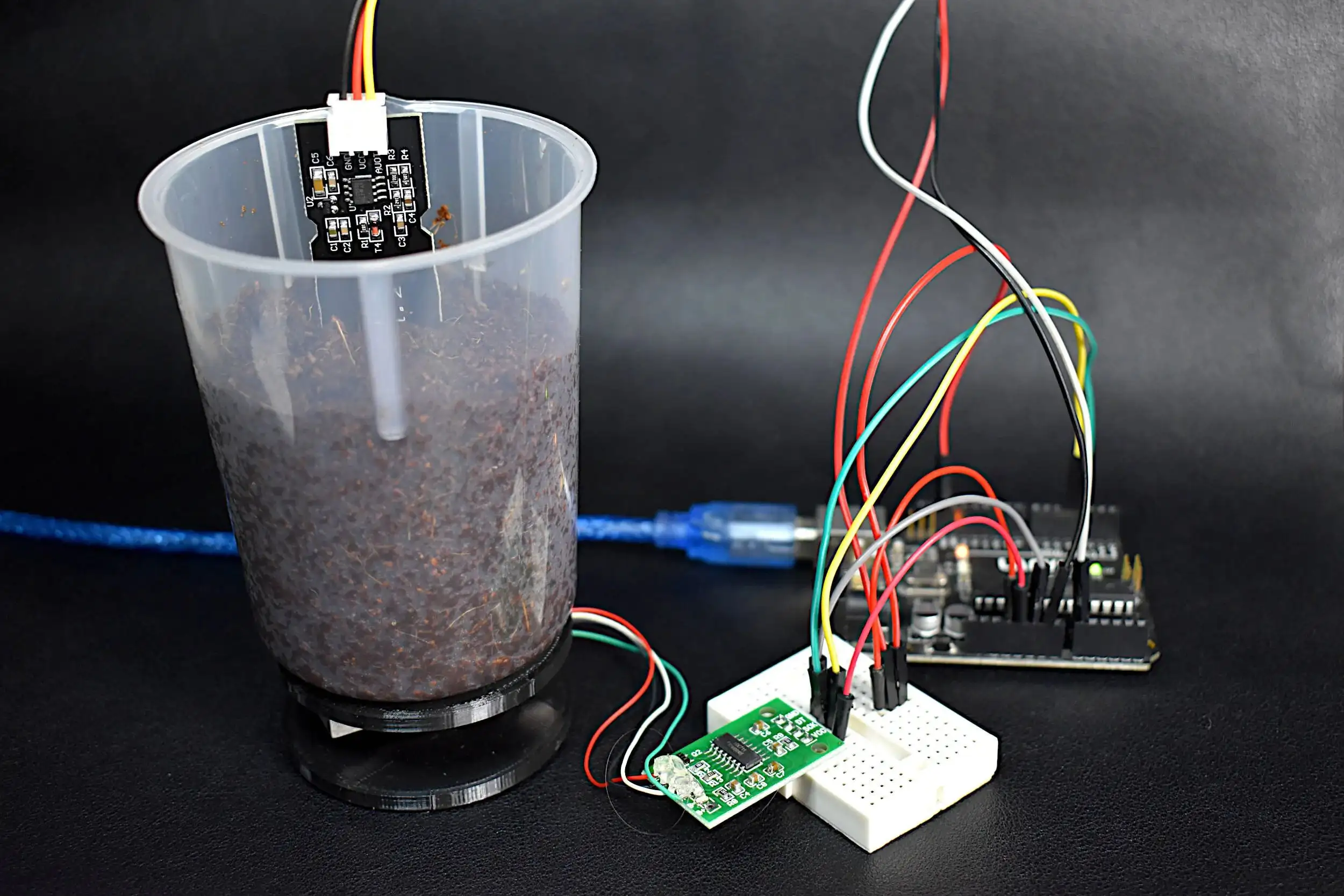
Measure the weight of an empty container and fill it with dry soil up to 200 ml. Record the dry soil weight. Add 10 ml of water mix thoroughly and refill to 200 ml. Record the new weight. Repeat the process until the soil becomes saturated. Spread the soil thinly to dry and record the final dry mass. These measurements are used to calibrate the sensor accurately.
Technical Details
- Operating voltage 3.3 V to 5.5 V DC
- Operating current 5 mA
- Analog output
- Three pin interface
- Dimensions 98 x 23 x 4 mm
- Weight 15 grams
Comparison
Capacitive soil moisture sensors provide better accuracy and longer lifespan compared to resistive sensors by avoiding probe corrosion. They measure dielectric changes in the soil rather than electrical resistance which can be affected by fertilizer and soil composition. Compared to combined soil moisture modules capacitive sensors provide only analog output but offer improved reliability and durability.
Kapcsolódó termékek


Kapcsolódó cikkek
Vélemények (küldje be Ön is véleményét)





Cégünk elektronikai és szoftveres fejlesztésekkel foglalkozik, ami mellett internetes kereskedelmet is indítottunk az ehhez kapcsolódó modulok és fejlesztő egységekkel. Már több mint 15.000 féle termék rendelhető, melyből több mint 5000 saját raktárunkról azonnal elérhető. Fiatal cégként dinamikusan bővülünk, alkalmazkodunk a modern igényekhez. Támogatjuk a hazai fejlesztéseket, és diákokat, termékekkel, szolgáltatásokkal, és saját tudásunkkal. Rendszeres vásárlóink között tudhatunk rengeteg magyar nagyvállalatot, oktatási intézményt, megbízóink között pedig több fejlődő kis- és közép- vállalkozást.
2016-tól mi béreljük az elektrobot.hu-t, mely egy közösségi blog és híroldalként indult, ezen keresztül korábban több elektronikai cég forgalmazott, és jelenleg is hírdeti szolgáltatásait. Rendszeresen jelen vagyunk a magyar elektronikai fórumokon online és kiállítások, rendezvények formájában. Próbáljuk összehozni az oktatásban és versenyeken résztvevőket a fiatal cégekkel, és a komolyabb megbízókkal.